Conveyor Belt Core Introduction
Conveyor belts are the most basic and important continuous transport equipment in industrial automated logistics, hailed as the "arteries" of modern industry. Essentially, it's an infinitely circulating belt, driven by a drive unit to achieve continuous material handling.
1. Core Components
A complete belt conveyor mainly consists of the following parts:
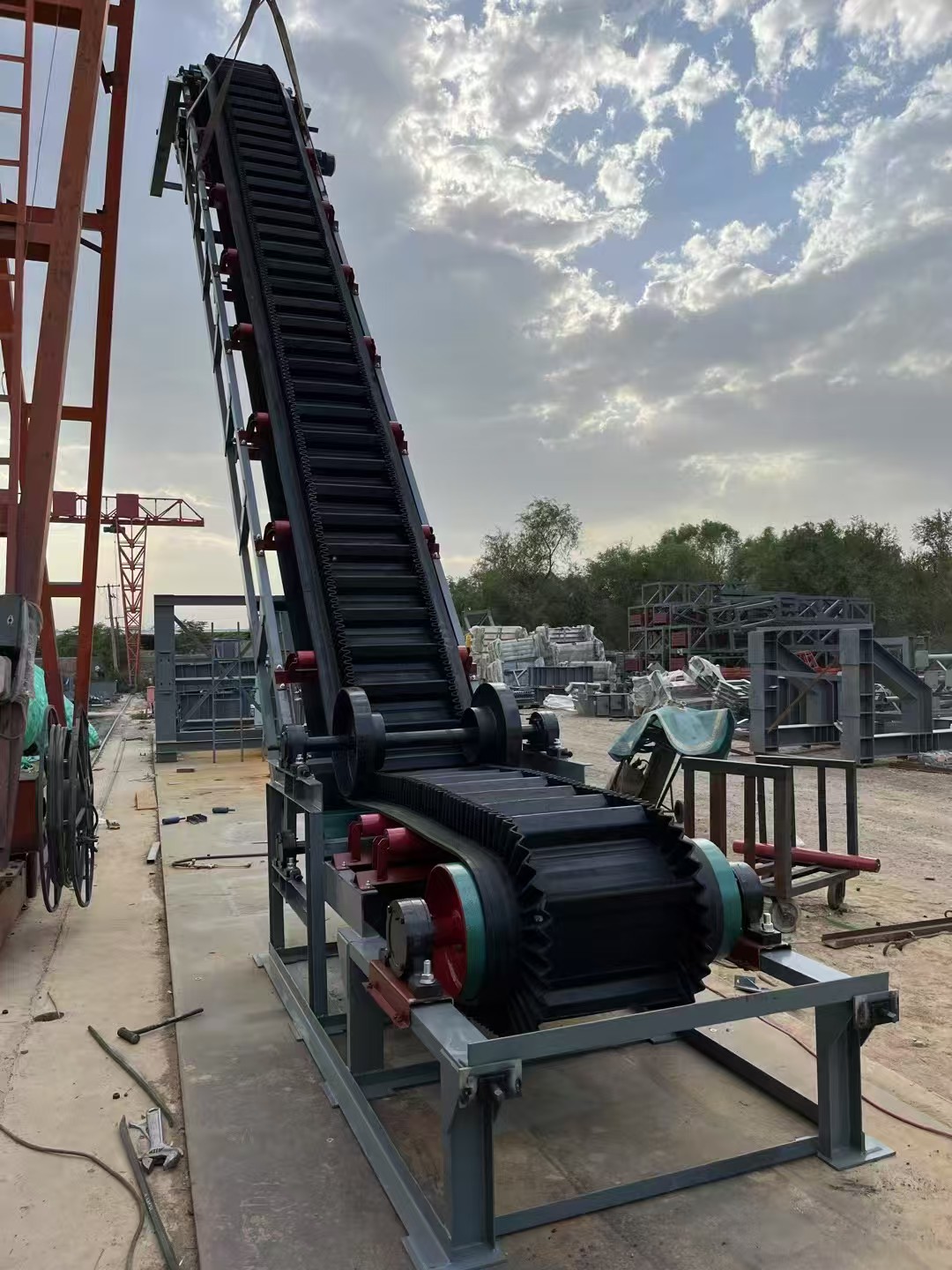
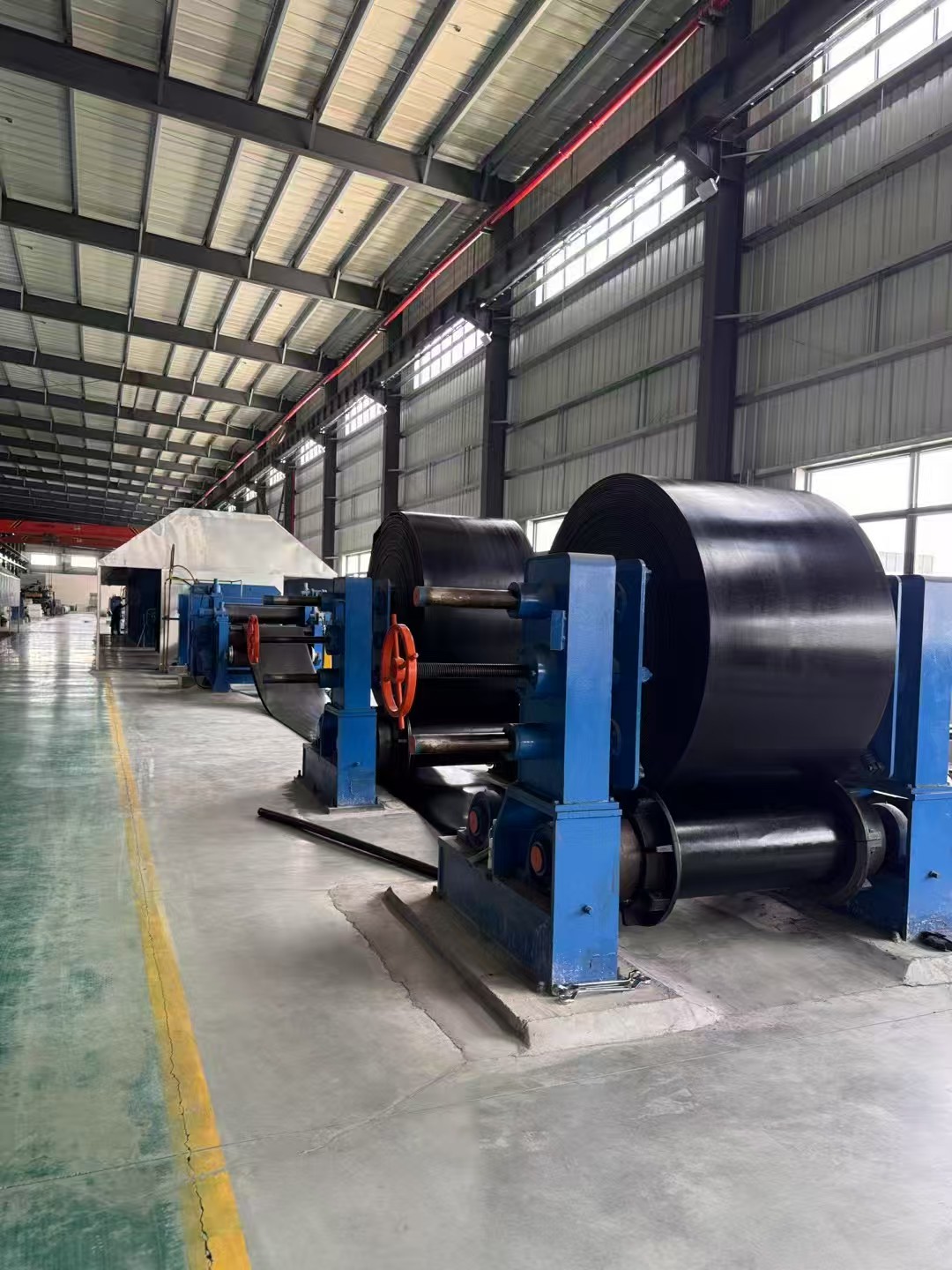
• Conveyor Belt: The main body that carries and transports materials (e.g., rubber belt, steel belt).
• Drive Unit: The motor and reducer that provide power.
• Rollers: The drive rollers at both ends (providing power) and the idler rollers (changing direction).
• Idler Rollers: Numerous small rollers that support the belt and prevent sagging.
• Tensioner: Adjusts the belt tension and prevents slippage.
2. Core Features
• High Continuity: 24-hour uninterrupted operation with extremely high transport efficiency.
• Large Transport Capacity: Can carry loads ranging from a few kilograms to tens of thousands of tons.
• Wide adaptability: Can be arranged horizontally, inclined, and turning, adapting to various complex sites.
• Low cost: Operating and maintenance costs are far lower than truck or forklift transportation.
3. Main Application Areas
It is used in all aspects of life and production, with the most common scenarios including:
• Heavy Industry: Mines, coal mines, steel plants, sand and gravel plants, mixing plants (transporting coal, ore, and sand).
• Logistics and Express Delivery: Express sorting centers, airport baggage handling (transporting parcels).
• Manufacturing: Automobile production lines, home appliance assembly lines (transporting semi-finished products).
• Agriculture and Food: Grain warehouses, food processing plants (transporting grains, fruits, and vegetables).
4. Common Types
Based on different materials and uses, they are mainly divided into:
• Ordinary rubber conveyor belts: The most universal, suitable for transporting most normal-temperature, dry materials.
• High-temperature resistant conveyor belts: Used for transporting high-temperature materials (such as calcined slag).
• Cold-resistant/acid and alkali-resistant conveyor belts: Used in special environments (such as cold storage, chemical plants). • Stainless steel mesh belts/chain plates: Used for food washing, drying, or heavy-duty assembly.
In short: Wherever there's a need to move goods from point A to point B, especially in large-scale, continuous operations, conveyor belts are indispensable.