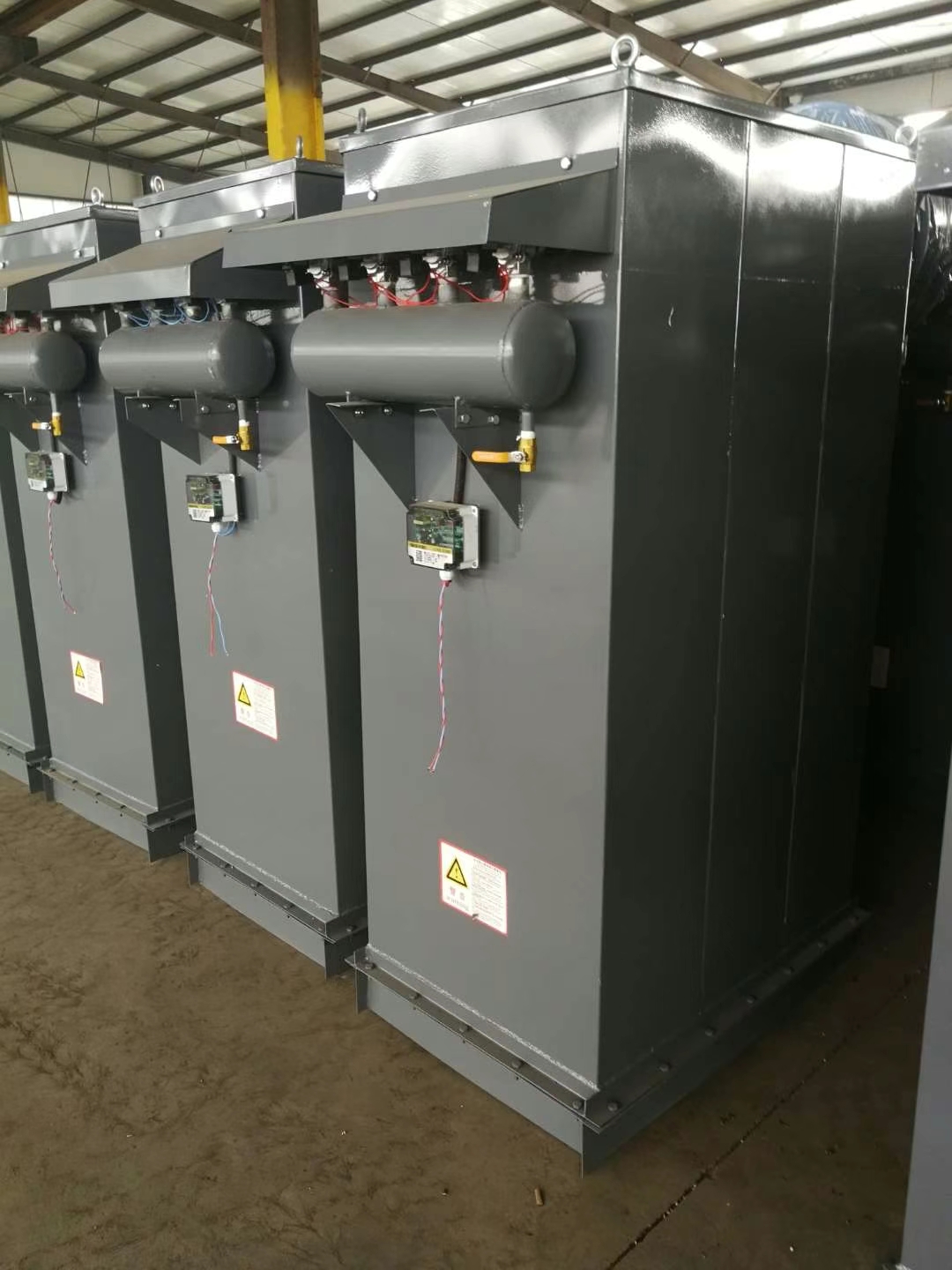
Applications of Dust Collectors
Dust collectors, as core equipment in industrial production and environmental management, are widely used in various fields such as building materials, metallurgy, chemicals, machinery, power, and mining due to their high efficiency in purifying dust and smoke. They cover the entire process from raw material processing to finished product manufacturing, and are key equipment for achieving clean production and meeting emission standards.
I. Building Materials Industry (Core Application Area)
The building materials industry is a high-incidence area of dust pollution, and dust collectors are most commonly used there, especially suitable for mixing plants, cement plants, and sand and gravel plants:
• Mixing Plants: Used at dust-generating points such as cement silo tops, powder discharge ports, mixing hosts, and conveyor belt transfer points to collect cement, fly ash, and sand and gravel dust, preventing dust pollution and simultaneously recovering raw materials;
• Cement Plants: Covering raw material mills, clinker kilns, packaging machines, crushers, etc., handling high-temperature, high-concentration dust to meet ultra-low emission requirements;
• Brick/Tile/Stone Plants: Targeting dust generated from raw material crushing, cutting, and grinding, purifying workshop air and protecting equipment and personnel health.
II. Metallurgy and Steel Industry Metallurgical production processes generate large amounts of high-temperature, heavy metal-containing fumes and dust. Dust collectors are standard environmental protection equipment:
• Steel Plants: Fumes from blast furnaces, converters, sintering machines, electric furnaces, etc., require purification through bag filters and electrostatic precipitators to recover valuable dust such as iron concentrate.
• Non-ferrous Metal Smelting: Dust and fume treatment during aluminum, copper, zinc, and other smelting processes, adaptable to high-temperature and corrosive conditions, to achieve compliant emissions.
III. Power Industry Thermal power plants are a key focus of air pollution control, and dust collectors are core environmental protection equipment:
• Large amounts of fume and dust generated by boiler combustion are treated by electrostatic precipitators and bag filters to control emission concentrations within national standards. This is a pre-treatment for power plant desulfurization and denitrification systems.
• Flue gas purification from biomass power generation and waste incineration power generation also requires specialized dust collectors to remove dust and harmful particulate matter.
IV. Chemical and Pharmaceutical Industries Chemical and pharmaceutical production processes easily generate flammable, explosive, and corrosive dust, requiring extremely high safety standards for dust collectors:
• Chemical workshops: Dust collection during resin, pigment, and catalyst production processes requires anti-static and explosion-proof dust collectors to prevent dust explosions;
• Pharmaceutical plants: Dust purification during raw material crushing, mixing, and tableting processes must meet GMP cleanroom standards to avoid cross-contamination.
V. Machining and Woodworking Industries Fine dust generated during machining and woodworking sanding can easily harm the health of operators, making dust collectors widely used:
• Machinery workshops: Collection of welding fumes, metal grinding dust, and casting shot blasting dust improves the workshop working environment;
• Woodworking and furniture factories: Wood chips and dust generated during wood cutting, sanding, and carving are efficiently purified using cartridge dust collectors, allowing for the recovery of wood chip resources.
VI. Mining and Coal Industry The mining and coal processing processes generate large amounts of dust, making dust collectors crucial for green mining:
• Mines: Dust control during ore crushing, screening, and transfer; suitable for coarse particle and high-concentration dust conditions;
• Coal Plants: Collection of coal dust generated during coal crushing, screening, and loading/unloading, preventing dust from flying and reducing safety hazards.
VII. Other Civil and Industrial Applications Beyond industrial applications, dust collectors are also used in civil and special applications:
• Waste Treatment Plants: Co-processing of dust and odors during waste incineration and sorting;
• Grain Processing Plants: Purification of dust generated during grain crushing and screening, preventing grain contamination;
• Workshop Ventilation and Purification: Overall dust removal in various industrial workshops, improving air quality and protecting employee occupational health.