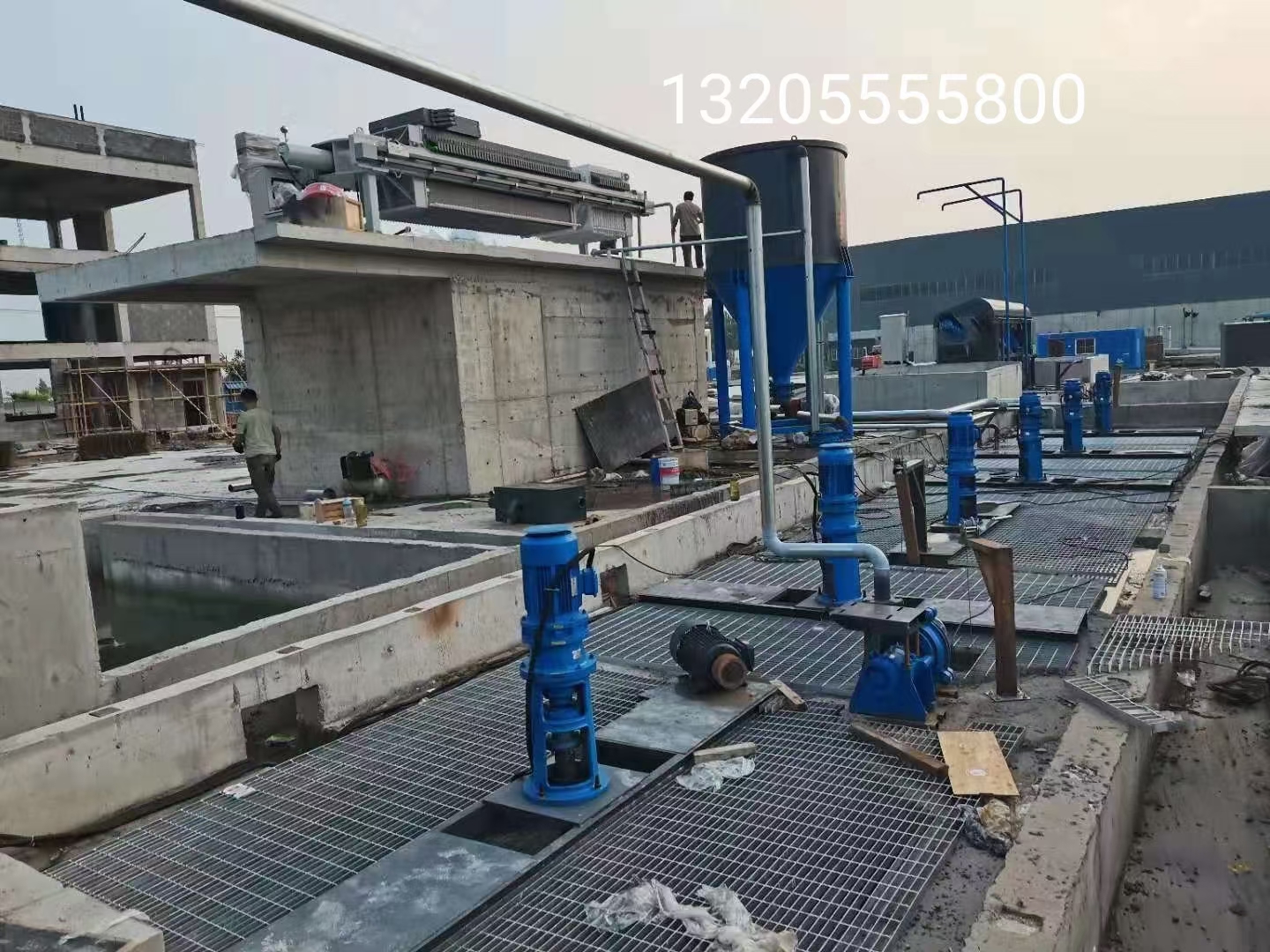
In short: The sand and gravel separator recycles coarse materials, while the filter press dewaters fine mud. Using them together achieves complete recycling, true zero emissions, and saves both space and money.
I. Complementary Functions, Thorough Treatment
• Sand and Gravel Separator: Washes tanker residue, separating sand and gravel (mud content ≤1%, water content ≤5%), which is directly returned to the silo for reuse.
• Filter Press: Treats the separated mud slurry, pressing it under high pressure into dry mud cakes (moisture content <30%), allowing for the reuse of clean water.
• Results: Complete recycling of four types of resources: coarse sand, fine gravel, dry mud, and clean water; no waste, no external discharge.
II. Environmental Compliance, Zero Emissions and Stable Standards
• No mud slurry spills onto the ground, no wastewater discharge, and consistently meets COD/SS standards.
• The dried mud cake is hard and easy to transport; it can be used for roadbeds/brick making/cement mixes, eliminating solid waste accumulation.
• Say goodbye to "muddy flows on rainy days and dust flying on sunny days"—clean site and worry-free environmental inspections.
III. Cost Reduction and Efficiency Improvement, Saving Money in the Long Run
• Aggregate Saving: Sand and gravel recycling rate ≥98%, reducing the amount of purchased sand and gravel.
• Water Cost Saving: 100% clean water recycling, no need for fresh water for car washing and mixing.
• Land Saving: No need for large sedimentation tanks, sludge reduction of 80%+, significantly reducing the storage area.
• Labor Saving: PLC fully automatic linkage, one-button start/stop, unattended operation.
IV. Two-Stage Treatment, More Stable Water Quality, Smoother Production
• Stage 1: Sand and gravel separator removes large particles, protecting downstream pumps and pipelines from blockage.
• Stage 2: Filter press removes fine sludge, resulting in clear effluent (SS < 50mg/L), without affecting concrete quality.
• Stable slurry concentration, eliminating sudden changes in concentration and avoiding fluctuations in concrete strength.
V. Applicable Scenarios (Required Combination)
• Medium to large-scale mixing plants (120mm and above, ≥30 tank trucks).
• Sites in areas with strict environmental regulations, limited space, and a pursuit of zero emissions.
• Mixing plants aiming for long-term cost reduction and minimizing environmental risks.
VI. Comparison: Single Use vs. Combination
• Single use of a sand and gravel separator: Difficult to treat muddy water, large sedimentation tank, prone to overflow, unstable water quality.
• Single use of a filter press: Prone to clogging, rapid wear, small processing capacity, high cost.
• Combination use: Large processing capacity, no clogging, stable water quality, zero emissions, most economical.